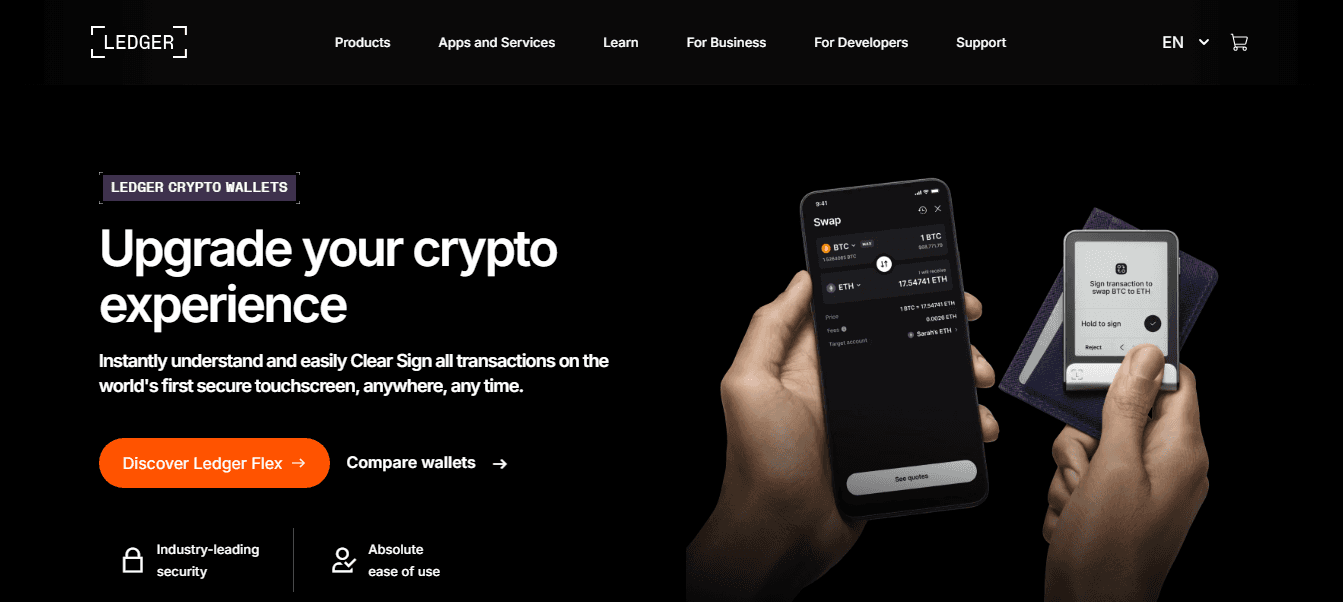
Ledger Login: A Fresh 1200-Word Guide to Secure Access and How It Works
The idea of “logging in” usually brings to mind an email, a password, or a social media account. But the Ledger login process is built on a different philosophy—one centered on offline security and physical verification rather than online credentials. Ledger uses a hardware wallet approach to protect digital assets, which means your identity and your access are tied directly to a device you control, not to an online profile. This system provides strong protection, but it also means users must understand how login works to use it effectively.
This guide explains Ledger login from a new perspective—what it means, how it works, how to perform it correctly, and how to keep everything safe.
1. The Core Idea Behind Ledger Login
When someone says “log in to your Ledger wallet,” it’s not referring to a website or cloud portal. Instead, it represents a secure local process involving:
Your Ledger hardware wallet
Your device’s PIN
The Ledger Live application
The connection between the wallet and Ledger Live
Because the private keys never leave the hardware wallet, the concept of login revolves around authenticating your physical device. Ledger Live doesn’t store your crypto; it reads information from your hardware wallet and helps you interact with the blockchain.
This approach prevents unauthorized access, even if someone gains access to your computer.
2. How Ledger’s Login System Differs From Traditional Accounts
Traditional accounts depend on:
Online databases
Cloud credentials
Password recovery via email
Ledger eliminates all of that. The login mechanism relies on offline security layers:
A. Physical Ownership
Your Ledger device functions like a digital vault. Without it, no one can access your wallet.
B. PIN Protection
Your PIN ensures that only you can unlock the device.
C. Local Authorization
Actions are authorized through confirmations on the device’s screen.
D. No Online Passwords
Because no online accounts store your keys, hackers can’t break in through servers or credential leaks.
This model shifts responsibility to the user—but also gives you full control over your digital assets.
3. Key Elements That Make Ledger Login Work
To fully understand Ledger login, it’s important to look at the components involved:
1. Ledger Hardware Wallet
Your private keys live inside this device. It signs transactions internally and never exposes sensitive information to your phone or computer.
2. PIN Code
The PIN unlocks your device. Without it, the device is unusable.
3. Recovery Phrase
Though not needed for routine login, it acts as a last-resort backup if the device is lost or reset.
4. Ledger Live App
This app is your portal for:
Viewing your crypto portfolio
Managing accounts
Sending and receiving digital assets
Updating firmware
Accessing supported networks and services
5. Secure Communication Channel
Once connected, the device and Ledger Live establish a trusted connection, allowing safe interaction.
Together, these pieces form the complete Ledger login experience.
4. The Ledger Login Process from Start to Finish
The login process is straightforward once you understand the sequence:
Step 1: Open Ledger Live
Launch the Ledger Live app on your phone or computer. You’ll be able to see the interface, but key features remain inactive until your device is connected.
Step 2: Connect Your Ledger Device
Attach the device using a USB cable or Bluetooth (depending on the model). Ledger Live waits for authentication before syncing your wallet information.
Step 3: Unlock the Device with Your PIN
Enter your PIN using the buttons on your Ledger device. This step confirms that you’re the authorized user.
Step 4: Confirm the Connection
Your device may ask you to approve the pairing or connection request. Once confirmed, Ledger Live can access your public account data.
Step 5: Access Wallet Features
After login is complete, you can:
View balances
Add accounts
Manage applications
Send and receive cryptocurrency
Update the device
Explore decentralized apps
For sensitive actions like sending funds, additional confirmations will appear on your Ledger device’s screen.
5. Security Benefits of Ledger’s Login Model
Ledger login is designed with security at its core. Here’s how it provides strong protection:
A. Offline Storage of Private Keys
Private keys stay inside a secure chip and never appear on the internet.
B. Physical Confirmation
Transactions must be confirmed manually on the device.
C. PIN-Locked Access
Even if someone physically has your wallet, they cannot log in without the PIN.
D. Independent Verification
The device screen displays important transaction details, preventing manipulation by malware.
E. Protection from Phishing
Since there’s no online login page, fake websites cannot trick you into entering a password.
These layers work together to create a highly secure ecosystem.
6. Common Difficulties Users Encounter During Ledger Login
Even though the process is designed to be simple, users sometimes run into issues. Here are the most frequent ones:
1. Ledger Device Not Detected
Possible reasons include:
Outdated Ledger Live
Wrong cable
USB port issues
Bluetooth not enabled
Missing driver updates (on computers)
These problems are usually easy to fix by updating software or switching ports.
2. Incorrect PIN Attempts
Ledger devices erase themselves after too many wrong PIN entries. This is a security measure to protect users.
3. Firmware Out of Date
Sometimes login issues occur because the Ledger device needs a firmware update before it can connect properly.
4. Confusion About the Recovery Phrase
Some users assume the recovery phrase is needed for login. It is not—it's only required for recovery or setup.
5. Ledger Live Not Opening or Crashing
Restarting the app or reinstalling the newest version usually resolves this issue.
7. How to Maintain a Smooth Ledger Login Experience
A few simple habits can make Ledger login effortless and safe:
✔ Use the Official Ledger Live App
Always download Ledger Live from trusted sources.
✔ Keep Firmware and Ledger Live Updated
Updates often include compatibility improvements and security enhancements.
✔ Protect Your Recovery Phrase
Store it offline in a secure, private place and never type it into websites or apps.
✔ Maintain Your Cable and Ports
Hardware issues can interrupt the connection and cause login failure.
✔ Avoid Unknown Devices
Do not connect your Ledger to public or shared computers.
✔ Verify Everything on the Device Screen
If anything looks unusual, stop immediately.
Developing these habits ensures your experience stays secure and simple.
8. Why Ledger Login Is Essential for Web3 and Digital Ownership
In decentralized ecosystems, users interact directly with blockchain networks. There’s no central authority to protect you if you make a mistake or lose access. Ledger’s login process gives you a strong personal security layer in environments where attackers often target:
Wallet addresses
Browser wallets
DeFi users
Marketplace participants
The hardware-based login model adds physical friction that protects users without sacrificing functionality. Whether you're sending crypto, minting NFTs, or using decentralized finance tools, every action requires device confirmation.
This greatly reduces the risk of unauthorized activity.
9. Best Practices for Long-Term Access
A secure login today is important, but maintaining access over time is just as critical. Here are long-term recommendations:
Keep your device in a safe physical location
Backup your recovery phrase securely
Periodically check your device and cables
Update the device and Ledger Live when needed
Avoid exposing your device to extreme heat, liquids, or physical damage
Being prepared ensures that your login experience stays reliable for years.
10. Final Thoughts
Ledger login is more than a simple authentication step—it is a carefully designed process that protects your digital assets through physical security and offline storage. By understanding how the system works, what components are involved, and how to maintain best practices, you can confidently navigate Ledger Live and manage your portfolio with peace of mind.