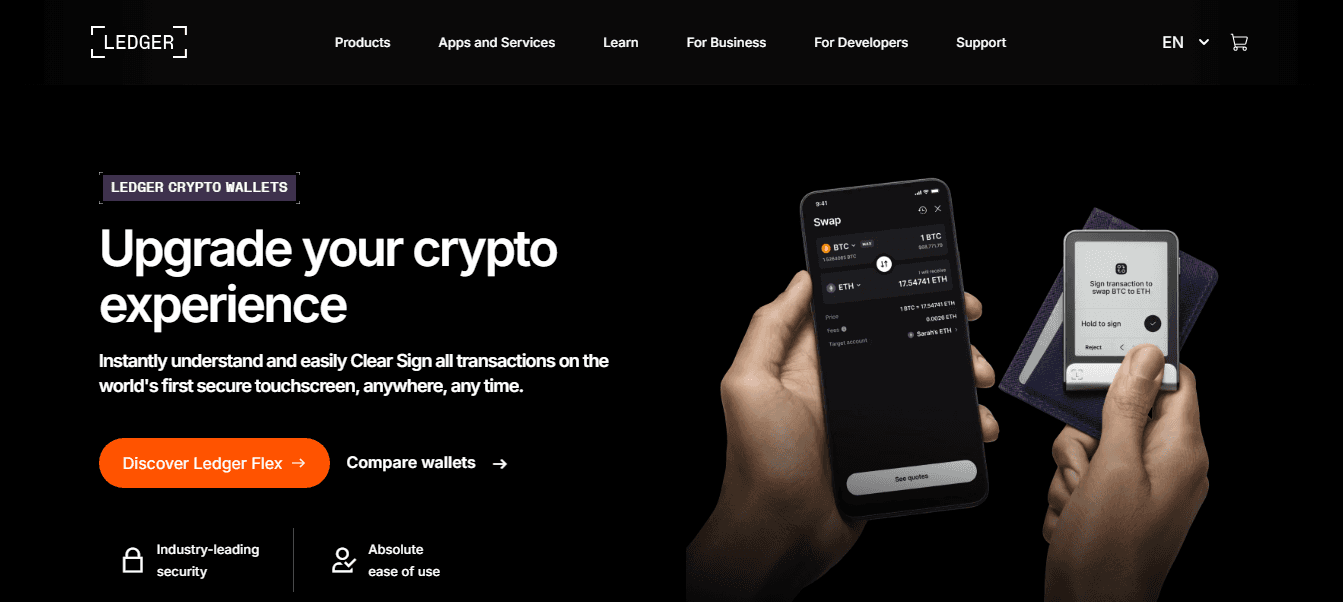
Ledger Login: A Complete 1200-Word Guide to Accessing Your Ledger Experience Securely
Managing digital assets safely begins with the way you access your account, and the Ledger login process plays a central role in this experience. Whether you are a new user setting up your Ledger device for the first time or a returning user looking to understand best practices, knowing how the login environment works is essential. Unlike typical online platforms, Ledger uses a hardware-based security model, meaning the “login” is not the same as signing into a website. Instead, it revolves around connecting your Ledger device, unlocking it securely, and authorizing actions through Ledger Live.
This comprehensive guide explains what Ledger login really means, how the access flow works, what to expect when signing in, common mistakes users make, and best practices for keeping your assets protected.
1. Understanding the Concept of Ledger Login
Ledger’s security model functions differently from standard digital accounts. There is no traditional username or password stored on a server. Instead, the security relies on:
A hardware device (Ledger Nano S Plus, Ledger Nano X, or Ledger Stax)
A PIN code that only you know
A recovery phrase that acts as your ultimate backup
The Ledger Live app, where portfolio management takes place
So, “Ledger login” refers to securely accessing Ledger Live with your hardware wallet, not logging into an online profile.
Because your private keys remain offline inside the hardware device, signing into Ledger Live only provides the interface—you still need the hardware wallet to approve transactions. This dual-layer design ensures that even if your computer is compromised, your crypto remains protected.
2. Components Involved in the Ledger Login Process
The entire login process involves three interconnected parts:
a. The Ledger Device
Your hardware wallet stores your private keys offline. It is the core of the login system because without it, Ledger Live cannot access or verify your account.
b. Ledger Live
This is Ledger’s official application that lets you:
View your portfolio
Add accounts
Send or receive assets
Access Web3 tools
Update device firmware
To access any of these features, you must authenticate with your Ledger device.
c. Your PIN
The PIN protects your device from unauthorized access. Anyone without the PIN cannot use your Ledger, even if they physically have it.
3. How Ledger Login Works Behind the Scenes
Ledger’s security model uses a combination of hardware authentication and encrypted communication. This is the technical foundation of what you perceive as the “login” flow.
Here’s what happens when you connect your device:
Ledger Live checks if your device is genuine.
The device and the app establish a secure channel.
You unlock your device with your PIN.
The device allows Ledger Live to read account information and sign requests.
At no point do your private keys ever leave the hardware wallet. Ledger Live only receives public data—balances, account details, and transaction confirmations.
This architecture is designed to minimize cyberattack risks and prevent anyone from logging into your wallet without the physical device in hand.
4. Step-by-Step Overview of the Ledger Login Flow
Although there are no usernames or passwords, Ledger users still go through a defined process to access their portfolios.
Step 1: Open Ledger Live
Start the app on your computer or mobile device. The dashboard will load, but many features remain locked until you authenticate with your hardware wallet.
Step 2: Connect the Ledger Device
Use the USB cable for Nano S Plus or Nano X, or Bluetooth connectivity if supported.
Once connected, Ledger Live detects the device.
Step 3: Enter Your PIN on the Device
This step unlocks your hardware wallet, confirming that you are the authorized owner.
Be careful never to share this PIN with anyone.
Step 4: Allow Ledger Live to Access the Device
Your Ledger screen will ask you to confirm a connection. Approving this grants Ledger Live permission to sync account data.
Step 5: Access Your Portfolio
Once authenticated, you can:
View balances
Manage accounts
Install apps
Send and receive assets
Explore Web3 features
Every sensitive action (such as sending crypto) still requires physical confirmation on your Ledger device.
5. Common Issues Users Encounter During Ledger Login
Even though Ledger’s login process is simple, new users sometimes face challenges. Understanding these problems helps prevent confusion.
1. Wrong PIN Attempts
Ledger devices wipe themselves after several incorrect attempts as a built-in security mechanism. It’s crucial to memorize your PIN or store it somewhere secure.
2. Ledger Device Not Detected
This is usually caused by:
A faulty USB cable
Outdated Ledger Live version
USB permissions issues
Not entering the PIN
Updating Ledger Live often fixes the problem.
3. Bluetooth Connection Issues
If using a wireless connection, make sure:
Bluetooth is enabled
The device isn’t paired with another phone
You are close enough for stable connectivity
4. Firmware Mismatches
Sometimes login issues are caused by outdated firmware that prevents secure communication. Updating firmware ensures compatibility with Ledger Live.
6. Safety Tips for Ledger Login
Ledger is built for safety, but users must still follow responsible habits. Here are best practices:
a. Keep Your PIN Private
Never store it digitally or share it with anyone—not even someone claiming to be Ledger support.
b. Protect Your Recovery Phrase
This phrase is not part of the login process, but it is your ultimate backup. Store it securely offline.
c. Don’t Use Public Computers
Public devices may be infected with malware. It’s safest to access Ledger Live on a trusted personal device.
d. Only Download Ledger Live from Official Sources
Avoid third-party downloads or modified versions.
e. Check Device Prompts Carefully
The screen on your Ledger device is the trusted display. Always verify transaction details there.
f. Don’t Rush Login Steps
Being cautious helps avoid phishing attempts or accidental approvals.
7. The Importance of Ledger’s Login System in the Web3 World
Digital assets are highly valuable, and cybercriminals frequently target users through:
Fake websites
Malware
Phishing messages
Remote-access scams
The Ledger login framework uses physical device verification to ensure that even if someone tricks you online, they cannot gain access without the hardware wallet. This makes Ledger significantly safer than browser-based wallets or apps that rely on cloud-stored credentials.
In the world of decentralized finance, this protection becomes even more crucial. Whether interacting with DeFi protocols, NFT marketplaces, or staking services, your device ensures that every action requires your physical approval.
8. Updating and Maintaining a Smooth Login Experience
Keeping your system updated ensures the login flow remains secure, compatible, and reliable.
Tips for smooth access:
Update Ledger Live regularly
Install firmware updates when prompted
Remove unused apps from your Ledger device
Keep your USB ports clean and functional
Restart Ledger Live if something seems off
Following these simple habits helps ensure that Ledger login always works smoothly.
9. Final Thoughts
The Ledger login experience is designed to prioritize safety without sacrificing usability. Instead of relying on typical online credentials, Ledger protects your assets with hardware authentication, physical confirmation, and encrypted communication. By understanding how the login system works, recognizing the key components involved, and following safe user practices, you can confidently manage your digital assets with one of the most secure systems available.